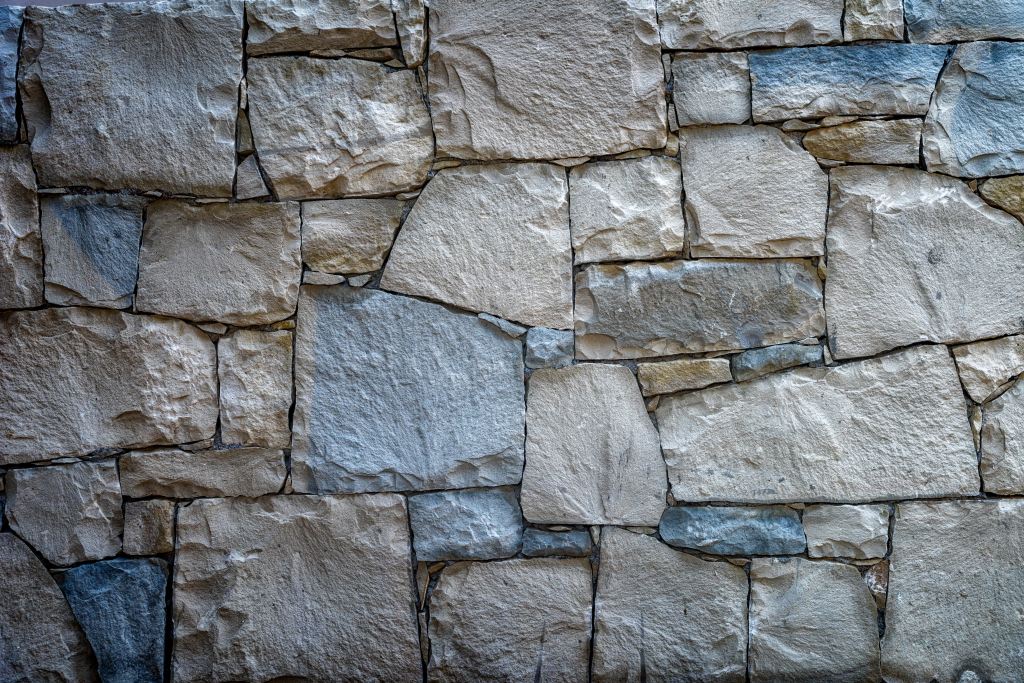
Stone truly is an incredible substance. Durable, versatile and abundant, this extraordinary resource has been an integral part of our lives since the dawn of man. In fact, according to recent research, evidence suggests that early humans were using stone tools to prepare food as long as three million years ago – an unfathomable concept. Even more remarkable, stone is a resource valuable to our modern-day lives. Read on to learn more.
The History Of Stone
3.3 million years ago: The first stone tools are made.
This marks a crucial development in human evolution. Homo habilis, an extinct species of archaic human from the Early Pleistocene of East and South Africa and one of our earliest ancestors, is believed to have been the first species to create and use stone tools. This is due to the fact that stone tools were found near fossil remains, earning homo habilis its name, which comes from the Latin word meaning ‘handy’ or ‘skilful’. These rudimentary tools were simple yet functional, such as sharp-edged rocks or flakes, and were likely used for cutting, scraping, and other basic survival tasks.
2.6 million years ago: The Stone Age begins.
The Stone Age marks a period of prehistory in which humans used primitive stone tools. It is divided into three main periods: the Paleolithic, the Mesolithic, and the Neolithic. During this period, humans honed their tool-making skills and developed increasingly more sophisticated stone tools for various purposes, including hunting, cooking, and crafting. These tools included hand axes, spear points and scrapers.
10,000 years ago: The Neolithic Revolution begins.
The Neolithic Revolution, also called the Agricultural Revolution, marked a significant shift in human society, referring to the transition from hunting and gathering to agriculture and settled farming communities. During this period, people began to domesticate animals and cultivate crops, leading to the development of permanent settlements and the rise of civilizations. During this period, the use of stone tools began to decline as metal tools, made from copper, bronze, and eventually iron, became more widespread due to their superior durability and effectiveness.
Present day: Stone is still used for a variety of purposes, including building, jewellery, and decorative objects.
Despite the shift to metal tools during the Neolithic Revolution, stone continued to be an essential material in human culture and civilization and, to this day, remains an important part of many sectors, including construction, art and architecture.
The Benefits Of Stone
- Durability – Stone is valued for its exceptional durability, making it an excellent choice for construction purposes. With the ability to withstand wear and tear from weather conditions, heavy use, and, of course, time, stone structures and infrastructure can last for many years without sustaining significant damage.
- Versatility – Stone’s inherent versatility is one of its most prized qualities. Its many natural varieties and ability to adapt to a diverse range of applications make it an ever-popular material in numerous industries. For example, in the architecture and construction industries, not only does stone serve as a sturdy foundation for buildings, but its aesthetic appeal means that stone interior design is a timeless choice.
- Abundance – Stone is a profoundly abundant natural resource and is widely available in most parts of the world, making it easily accessible and relatively inexpensive.
- Environmental Benefits – Stone is a naturally recurring material. As such, it does not require the use of harmful chemicals or extensive manufacturing processes to extract, making it a sustainable and environmentally-friendly resource.
Modern Uses
- Building Materials – The primary use of stone in the modern world is for construction purposes. Stone is one of the most important materials used in the construction and architecture sectors, taking various robust and visually appealing forms, including bricks, blocks, tiles, and paving stones. The natural strength of stone also makes it suitable for large-scale projects, like bridges and dams, where outstanding stability and durability are required.
- Decorative And Ornamental Items – Due to the aesthetic appeal of naturally decorative stones like granite and quartzite, stone has long been used for ornamental purposes.
- Jewellery – The earliest finding of jewellery was dated around 25,000 years ago. Unsurprisingly, one of the materials used for early jewellery was stone. Ever since, stone has been a valuable commodity in jewellery-making, from affordable yet vibrant semi-precious gemstones like amethyst and citrine to exquisite, highly-valued diamonds, emeralds and rubies.
 Fresh Book